

BAMANEWSBOT
Staff
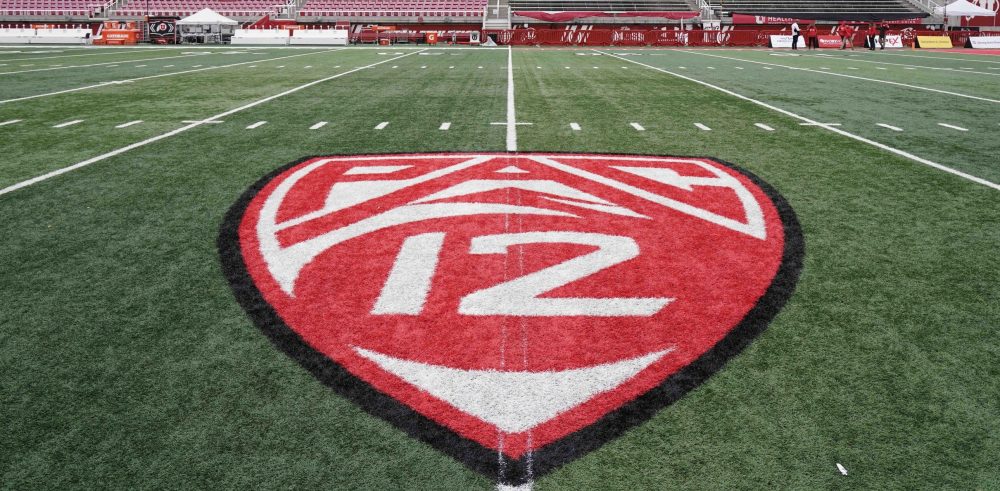
Pac-12 reportedly tried to pay the LA Times for extra content, but a staff uprising killed the deal
At the start of 2019, the news broke that the Pac-12 hired a PR firm to try and generate some positive content about the embattled conference. The firm seemingly didn’t do a great job, because negative stories about the Pac-12 have continued to roll off the assembly line over the last year and a...
 awfulannouncing.com
At the start of 2019, the news broke that the Pac-12 hired a PR firm to try and generate some positive content about the embattled conference. The firm seemingly didn’t do a great job, because negative stories about the Pac-12 have continued to roll off the assembly line over the last year and a half. But one way that the firm did try to engineer positive content was by having the Pac-12 actually pay for it.
John Canzano of the Oregonian dropped his latest bombshell article about the conference on Thursday morning, detailing the Pac-12’s plans to pay the LA Times and Players Tribune for more favorable content.
The Pac-12 hired a high-profile crisis-management firm. The conference began working from a 34-page printed manual The Oregonian/OregonLive reported in 2019 — a playbook that directed the conference to “seek to identify positive voices that could shift the conversation.”
That plan further instructed the conference to “expand upon media partnerships” with two primary media platforms — the Los Angeles Times and The Players’ Tribune. According to emails and other documents, the conference struck a deal in 2018 with the Los Angeles Times that aimed to steer $100,000 in advertising to the newspaper in exchange for an expansion in conference coverage.
The agreement between the Pac-12 and the Times was no less than a disaster. Pac-12 VP of comms Andrew Walker seemingly promised exclusive access to reporter Blake Richardson, including giving Richardson access to SIDs at all 12 universities to that she could be pitched stories.Said the Pac-12 staff member: “Literally, in a meeting, our communications people were like, ‘Is there anyone we can pay to write positive stories?’”
I’m not going to summarize the article line by line because the full deep dive is worth a read, but employees at the Times grew increasingly frustrated about the agreement, with one staffer actually filing a human resource complaint. Sports editor Angel Rodriguez defended the partnership in an email to staff, and that email clearly shows the blurred lines between editorial and advertising operations.
“In discussions with them we told them the only way we would be able to expand coverage would be if we found an advertiser that would be willing to advertise with us,” Rodriguez wrote. “The Pac-12 mentioned they had some advertisers lined up that would be willing to advertise with the Times if we expanded our coverage of other sports.”
As for the content on the Players Tribune, that arrangement led to the content (gasp) not being written by the players it was supposedly from, a well-known issue since the site’s launch.Rodriguez also wrote: “The advertiser commitment allowed us to extend Blake Richardson for six months and she has done some good features on water polo, soccer, women’s basketball. We have complete control of the editorial and they provide the advertisers.”
The first-person pieces featuring at least two Pac-12 players and teams weren’t drafted by the athletes themselves. The athletes got paid help from the conference’s favored public relations firm, The Oregonian/OregonLive has learned.
Said Walker: “We did use some outside help in working with a couple of student-athletes to draft their content for The Players’ Tribune.”
Walker won’t say which ones.
Once staffers at the Times learned about the deal and began to revolt, it was wound up, four months into a six month agreement. Executive editor Norman Pearlstine denied any journalistic ethics were violated, that the Pac-12 never paid any of the reported $100,000, and that the deal never actually discussed the overall amount or tone of coverage.“Part of the conversation with the student-athletes that we worked with was — at their request — that we not publicize the assistance,” he said. “Hope you can understand our need to respect that.”
On Tuesday, Jan. 22, 2019, Pearlstine crafted and sent email with the subject line “Pac-12 Partnership.” It went to high-ranking editors and Guild officers and insisted that no money had changed hands.
Pearlstine said the Los Angeles Times advertising department initially was told by the Pac-12 it wanted to expand coverage, then it “built a list of potential advertisers who might respond favorably to our expanded coverage, including firms with close relations with the Pac 12.”
The editor objected to the notion that it was an ethical breach.
What a mess. In my opinion, this actually looks far worse for the Times than for the Pac-12 because it shows a ridiculous amount of naivete and a lack of tact from the paper’s decision makers. Did they really think that staffers wouldn’t find out, and wouldn’t have an issue with this arrangement? Similarly, did they think this would end up reflecting well on the LA Times as an outlet? Every time I read something that might seem a little too favorable to one party over another, there’s going to be a voice in the back of my head wondering if the lines of advertising and editorial were blurred when the article was created.Pearlstine wrote: “And while there was initial discussion of our providing a set number of stories a month about the Pac 12, the contract we drafted and that was subsequently signed by the Pac-12 has no mention of coverage or content production. We are only contractually obligated to sell ad space, and the agreement includes a 30-day out clause to the deal in the event either party wants to cancel.”
As for the Pac-12…this just seems like par for the course, right? The conference doesn’t know what the hell it’s doing, trips over its own feet, and makes the situation worse. Rinse, repeat. Just remember that over the last two years, when you were reading all of this coverage, the Pac-12 was attempting to actually pay for positive content. Clearly, the conference didn’t get its money’s worth.