

1CrimsonTider
Member
Today’s guest columnist is Michael H. LeRoy, professor in the University of Illinois School of Labor and Employment Relations, and College of Law.
As a professor on the University of Illinois Athletic Board since 2014, I have observed the explosion of athletic debt on our campus. Our board, like others, has faculty, students and alums. We are designed to be a sounding board—a “check and balance,” according to my school’s charter for us. In short, we have an advisory role, nothing more.
For all these years, we have been captive to two athletic directors’ control over information and meetings. Thus, we haven’t been able even to advise our athletic department on debt matters.
Illinois is hardly alone in financing vanity athletic facilities with massive borrowing.
The Knight Commission’s database for Big Ten schools shows the median annual interest paid on facilities debt rose sharply from 2014 to 2019, the last year that reporting is available: $10.7 million (2014); $10.1 million (2015); $10.0 million (2016); $10.1 million (2017); $11.8 million (2018); and then jumping to $14.8 million in 2019.
The median accumulated debt for Big Ten schools grew from $133.3 million in 2014 to $164.5 million in 2019.
Illinois’ debt problem is much worse. Our athletic department paid interest on facilities debt of $11.2 million (2014), $16.7 million (2015), $26.1 million (2016), $20.0 million (2017), $21.3 million (2018), and $22.7 million in 2019. Illinois’ 2020 NCAA financial statement reported total athletics-related debt of $315,822,286. Our athletically related facilities annual debt service was $21,564,413.
Simply put, Illinois’ athletic program has been deeply mired in debt since 2014.
Sportico’s database fills in other blanks for 2019-20 financial reports. Iowa led the nation in paying “facilities debt service,” at $32,599,749, followed by Ohio State ($29,748,769), Alabama ($23,822,661), Texas A&M ($23,454,394), Michigan State ($21,484,385), Texas ($20,765,071), Illinois ($19,007,456), Oregon ($18,720,155), and Michigan ($17,358,525).
Sportico reports that my school’s athletic revenues totaled $122,566,259 in 2020-21. Illinois paid more than 15% of its revenues on interest. Meanwhile, the school’s NCAA report shows that outstanding principal slightly declined from the previous year.
What’s the view from inside the athletic board room? Rosy. Always.
Josh Whitman and Mike Thomas—athletic directors during this period—never voiced concern about this mounting debt problem. To the contrary, they briefed the board on improving revenue from the Big Ten and other sources. All of this is true but profoundly misleading.
When members of our financial subcommittee pressed AD Whitman for details on the construction of a $79.2 million football practice facility in 2018, we were politely but firmly deflected.
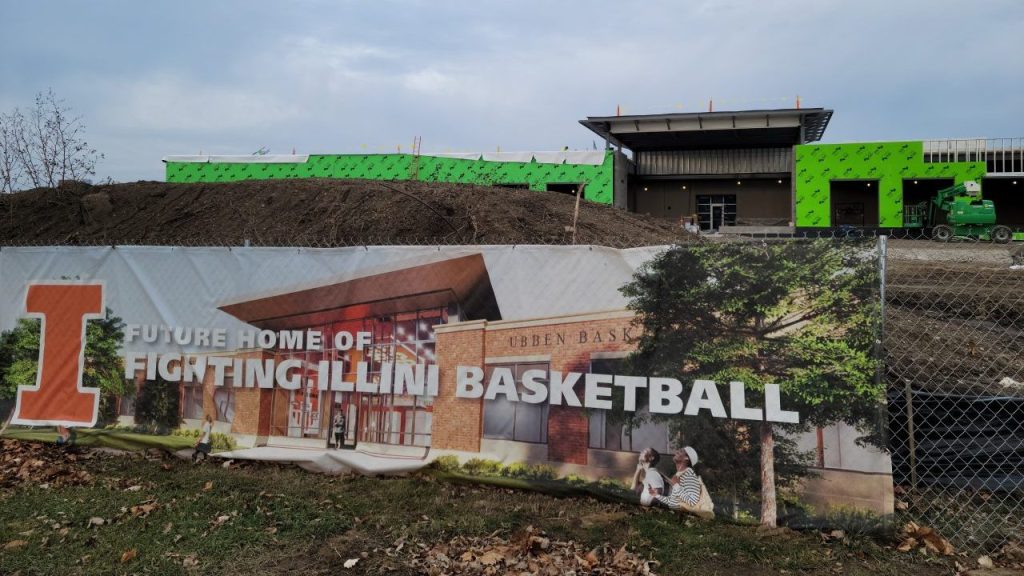
It wasn’t until Sportico ran an article in November 2020 that we learned that the University of Illinois System had loaned our athletic department the funds for the football practice facility, and $32.5 million for the Ubben Basketball Complex.
Why is college athletic debt a serious problem?
First, the University of Illinois is a public, taxpayer-supported institution. The school should publicize these internal loans for taxpayer accountability.
Cal-Berkeley’s huge athletic debt sheds more light on the taxpayer accountability problem. The Mercury News reports that Cal’s central campus has “moved approximately half the annual debt service ($18 million) for the Memorial Stadium renovation project off the athletic department’s books: It’s now the responsibility of central campus.”
If Cal’s central campus is paying $18 million on behalf of the athletic program, shouldn’t the legislature break out its funding into separate academic and athletic spending bills? Through their elected representatives, taxpayers should hold Cal to account for lending massive sums to athletics while imposing budget constraints on academic programs. Let lawmakers make these funding decisions, not campus officials who have arbitrary and unreviewable budgeting powers.
Second, if loans are not made public, there is no practical way to ensure that loan terms are enforced.
Budget perils at Rutgers substantiate this concern. The Rutgers student newspaper recently reported about how Rutgers loaned the “athletics program $84 million over the past six years from its internal bank. The Athletics Department has been reporting these loans as revenue, which not only went against University policies and guidelines from the NCAA, but also falsely displays the department’s earnings and budget deficit.” Budget transparency is essential to holding athletic departments responsible for their debts.
Third, athletic debt is a problem because COVID-19 is widening the divide between athletics and academics.
My campus sent this mass email on June 2, 2020: “We are slowing down or postponing capital projects to preserve cash reserves and financial flexibility. … We have asked units to prepare financial projections based on 5 to 10% reductions in state/tuition allocation for all campus units. … We expect many vacant positions to remain open for an extended period.”
Yet, in August 2020 the UI System quietly entered into a loan agreement with the athletic department to provide $32.5 million for a basketball facility upgrade.
Sportico uncovered the loan—and it was only then that our athletic board had its financial questions answered.
As athletic departments bet the house with loaned money during COVID-19, their debts may be harder to pay down—even to service—as football and men’s basketball limit attendance and cancel games.
Fourth, the cost of doing business as a Power 5 school is soaring. The 2021 football season ended with gilded $95 million contracts for coaches (Mel Tucker, Brian Kelly, among others). Those contracts make Illinois’ football coach look underpaid at about $4.2 million a year. As the coaching pay scale climbs, paying off debts will be harder.
Moreover, athletic departments haven’t reserved funds to pay market salaries for their revenue-generating football and basketball players. Congress and states are actively considering legislation to impose an employment model on schools. If this occurs, schools will be responsible for new and expensive payrolls.
J. Paul Getty famously said: “If you owe the bank $100, that’s your problem. If you owe the bank $100 million, that’s the bank’s problem.” In 2022 and beyond, the Illinois athletic department—and likely others—will test that maxim with the school that serves as its bank.
LeRoy has published multiple law review articles on college sports, as well as the book, Collective Bargaining in Sports & Entertainment: Professional Skills and Business Strategies.
 www.sportico.com
As a professor on the University of Illinois Athletic Board since 2014, I have observed the explosion of athletic debt on our campus. Our board, like others, has faculty, students and alums. We are designed to be a sounding board—a “check and balance,” according to my school’s charter for us. In short, we have an advisory role, nothing more.
For all these years, we have been captive to two athletic directors’ control over information and meetings. Thus, we haven’t been able even to advise our athletic department on debt matters.
Illinois is hardly alone in financing vanity athletic facilities with massive borrowing.
The Knight Commission’s database for Big Ten schools shows the median annual interest paid on facilities debt rose sharply from 2014 to 2019, the last year that reporting is available: $10.7 million (2014); $10.1 million (2015); $10.0 million (2016); $10.1 million (2017); $11.8 million (2018); and then jumping to $14.8 million in 2019.
The median accumulated debt for Big Ten schools grew from $133.3 million in 2014 to $164.5 million in 2019.
Illinois’ debt problem is much worse. Our athletic department paid interest on facilities debt of $11.2 million (2014), $16.7 million (2015), $26.1 million (2016), $20.0 million (2017), $21.3 million (2018), and $22.7 million in 2019. Illinois’ 2020 NCAA financial statement reported total athletics-related debt of $315,822,286. Our athletically related facilities annual debt service was $21,564,413.
Simply put, Illinois’ athletic program has been deeply mired in debt since 2014.
Sportico’s database fills in other blanks for 2019-20 financial reports. Iowa led the nation in paying “facilities debt service,” at $32,599,749, followed by Ohio State ($29,748,769), Alabama ($23,822,661), Texas A&M ($23,454,394), Michigan State ($21,484,385), Texas ($20,765,071), Illinois ($19,007,456), Oregon ($18,720,155), and Michigan ($17,358,525).
Sportico reports that my school’s athletic revenues totaled $122,566,259 in 2020-21. Illinois paid more than 15% of its revenues on interest. Meanwhile, the school’s NCAA report shows that outstanding principal slightly declined from the previous year.
What’s the view from inside the athletic board room? Rosy. Always.
Josh Whitman and Mike Thomas—athletic directors during this period—never voiced concern about this mounting debt problem. To the contrary, they briefed the board on improving revenue from the Big Ten and other sources. All of this is true but profoundly misleading.
When members of our financial subcommittee pressed AD Whitman for details on the construction of a $79.2 million football practice facility in 2018, we were politely but firmly deflected.
It wasn’t until Sportico ran an article in November 2020 that we learned that the University of Illinois System had loaned our athletic department the funds for the football practice facility, and $32.5 million for the Ubben Basketball Complex.
Why is college athletic debt a serious problem?
First, the University of Illinois is a public, taxpayer-supported institution. The school should publicize these internal loans for taxpayer accountability.
Cal-Berkeley’s huge athletic debt sheds more light on the taxpayer accountability problem. The Mercury News reports that Cal’s central campus has “moved approximately half the annual debt service ($18 million) for the Memorial Stadium renovation project off the athletic department’s books: It’s now the responsibility of central campus.”
If Cal’s central campus is paying $18 million on behalf of the athletic program, shouldn’t the legislature break out its funding into separate academic and athletic spending bills? Through their elected representatives, taxpayers should hold Cal to account for lending massive sums to athletics while imposing budget constraints on academic programs. Let lawmakers make these funding decisions, not campus officials who have arbitrary and unreviewable budgeting powers.
Second, if loans are not made public, there is no practical way to ensure that loan terms are enforced.
Budget perils at Rutgers substantiate this concern. The Rutgers student newspaper recently reported about how Rutgers loaned the “athletics program $84 million over the past six years from its internal bank. The Athletics Department has been reporting these loans as revenue, which not only went against University policies and guidelines from the NCAA, but also falsely displays the department’s earnings and budget deficit.” Budget transparency is essential to holding athletic departments responsible for their debts.
Third, athletic debt is a problem because COVID-19 is widening the divide between athletics and academics.
My campus sent this mass email on June 2, 2020: “We are slowing down or postponing capital projects to preserve cash reserves and financial flexibility. … We have asked units to prepare financial projections based on 5 to 10% reductions in state/tuition allocation for all campus units. … We expect many vacant positions to remain open for an extended period.”
Yet, in August 2020 the UI System quietly entered into a loan agreement with the athletic department to provide $32.5 million for a basketball facility upgrade.
Sportico uncovered the loan—and it was only then that our athletic board had its financial questions answered.
As athletic departments bet the house with loaned money during COVID-19, their debts may be harder to pay down—even to service—as football and men’s basketball limit attendance and cancel games.
Fourth, the cost of doing business as a Power 5 school is soaring. The 2021 football season ended with gilded $95 million contracts for coaches (Mel Tucker, Brian Kelly, among others). Those contracts make Illinois’ football coach look underpaid at about $4.2 million a year. As the coaching pay scale climbs, paying off debts will be harder.
Moreover, athletic departments haven’t reserved funds to pay market salaries for their revenue-generating football and basketball players. Congress and states are actively considering legislation to impose an employment model on schools. If this occurs, schools will be responsible for new and expensive payrolls.
J. Paul Getty famously said: “If you owe the bank $100, that’s your problem. If you owe the bank $100 million, that’s the bank’s problem.” In 2022 and beyond, the Illinois athletic department—and likely others—will test that maxim with the school that serves as its bank.
LeRoy has published multiple law review articles on college sports, as well as the book, Collective Bargaining in Sports & Entertainment: Professional Skills and Business Strategies.
College Athletic Debt Soars as Power 5 Programs Resist Scrutiny
Today’s guest columnist is Michael H. LeRoy, professor in the University of Illinois School of Labor and Employment Relations, and College of Law. As a professor on the University of Illinois Athle…
www.sportico.com


