
So just how did the Cotton Bowl get its name?
The bowl landscape in 2015 is a crowded affair, each game named for a sponsor and designed upon creation to do one thing: make money. If you believe in capitalism, like I do, making money isn’t a bad thing, even if figuring out how the money pie should be sliced may be another topic for another time. But, once upon a time the bowl landscape looked radically different, and I began to wonder how the bowls got their names and specifically how the Cotton Bowl got its moniker.
Geography seemed to figure in the naming of the original games. The Orange Bowl was located in Florida. Doesn’t take Einstein to figure that one out. The Citrus Bowl. Okay, Florida again. Pretty easy. The Rose Bowl was originally sponsored by the Tournament of Roses, and Rose Bowl Stadium was built and named for the annual post-season game. The Sugar Bowl? Probably named for a common import to the ports of New Orleans. I can go for that. But as I considered the bowls, a conundrum arose. The Cotton Bowl. Dallas Texas. They don’t grow cotton in Dallas do they? I decided some research was in order.
The bowl’s founder, J. Curtis Sanford - you have to love a guy that has only one letter as a first name- was a Texas oil man who attended the 1936 Rose Bowl to watch, presumably, TCU who was the undefeated national champion play Stanford. Even though the Horned Frogs lost, Sanford was impressed enough to stage a similar bowl in Dallas. Despite objections that this was a bad idea indeed, he proceeded and promptly lost money for four years, leading many to dub the bowl Sanford’s Folly. Maybe detractors should have called the annual game the Cotton Boll Weevil. So why did he call it the Cotton Bowl though?
Research shows that Texas was indeed a large exporter in cotton, exporting 3.5 million bales in 1900. But the state wasn’t noted for Cotton. Why not call it the Oil Bowl? Or the Lone Star Bowl? Maybe even the Texas Bowl?
We could have asked his widow, but she passed away late this summer at the age of 92. In 1940 Sanford spotted Betty across a crowded dance floor, strode to her, asked her to dance, and before the night ended told her that he planned to marry her. The bowl game was already being unsuccessfully played, so any connection to Betty and cotton were a dead end.
I couldn’t find an entry in Wikipedia on Sanford, and even the bowl’s website offer only a history of the games played. If you research those games, you’ll find some memorable and noteworthy inclusions. They include Joe Montana’s Notre Dame comeback in the cold game where he sat and ate soup to warm up during the entire third quarter. You’ll find the game where Alabama’s Tommy Lewis leapt off the sidelines to tackle Rice’s Dickey Meagle racing down the sideline for a sure touchdown. And you’ll find sophomore Doak Walker in the 1948 game. But you won’t find the origins of the name.
Finally, a sentence about the late Mrs. Sanford’s husband spoke to me. J. Curtis Sanford was a man who had made, and lost, a fortune several times over. Originally from Alabama, Sanford made and lost money in poultry, oil, and even restaurants. Being from Alabama, one might assume Sanford knew a bit about one more thing: COTTON. The boll is the protective covering around the soft, silky-white fabric we use to this day. Opened, it looks like the bowl of a stadium, much like the one used by Yale in Sanford’s day. Hence, the Cotton Bowl.
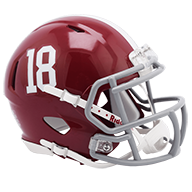
There you have it. This year, the Cotton Bowl will pit Alabama against Michigan State in the playoff semi-final for college football. J. Curtis Sanford would have been proud.
The bowl landscape in 2015 is a crowded affair, each game named for a sponsor and designed upon creation to do one thing: make money. If you believe in capitalism, like I do, making money isn’t a bad thing, even if figuring out how the money pie should be sliced may be another topic for another time. But, once upon a time the bowl landscape looked radically different, and I began to wonder how the bowls got their names and specifically how the Cotton Bowl got its moniker.
Geography seemed to figure in the naming of the original games. The Orange Bowl was located in Florida. Doesn’t take Einstein to figure that one out. The Citrus Bowl. Okay, Florida again. Pretty easy. The Rose Bowl was originally sponsored by the Tournament of Roses, and Rose Bowl Stadium was built and named for the annual post-season game. The Sugar Bowl? Probably named for a common import to the ports of New Orleans. I can go for that. But as I considered the bowls, a conundrum arose. The Cotton Bowl. Dallas Texas. They don’t grow cotton in Dallas do they? I decided some research was in order.
The bowl’s founder, J. Curtis Sanford - you have to love a guy that has only one letter as a first name- was a Texas oil man who attended the 1936 Rose Bowl to watch, presumably, TCU who was the undefeated national champion play Stanford. Even though the Horned Frogs lost, Sanford was impressed enough to stage a similar bowl in Dallas. Despite objections that this was a bad idea indeed, he proceeded and promptly lost money for four years, leading many to dub the bowl Sanford’s Folly. Maybe detractors should have called the annual game the Cotton Boll Weevil. So why did he call it the Cotton Bowl though?
Research shows that Texas was indeed a large exporter in cotton, exporting 3.5 million bales in 1900. But the state wasn’t noted for Cotton. Why not call it the Oil Bowl? Or the Lone Star Bowl? Maybe even the Texas Bowl?
We could have asked his widow, but she passed away late this summer at the age of 92. In 1940 Sanford spotted Betty across a crowded dance floor, strode to her, asked her to dance, and before the night ended told her that he planned to marry her. The bowl game was already being unsuccessfully played, so any connection to Betty and cotton were a dead end.
I couldn’t find an entry in Wikipedia on Sanford, and even the bowl’s website offer only a history of the games played. If you research those games, you’ll find some memorable and noteworthy inclusions. They include Joe Montana’s Notre Dame comeback in the cold game where he sat and ate soup to warm up during the entire third quarter. You’ll find the game where Alabama’s Tommy Lewis leapt off the sidelines to tackle Rice’s Dickey Meagle racing down the sideline for a sure touchdown. And you’ll find sophomore Doak Walker in the 1948 game. But you won’t find the origins of the name.
Finally, a sentence about the late Mrs. Sanford’s husband spoke to me. J. Curtis Sanford was a man who had made, and lost, a fortune several times over. Originally from Alabama, Sanford made and lost money in poultry, oil, and even restaurants. Being from Alabama, one might assume Sanford knew a bit about one more thing: COTTON. The boll is the protective covering around the soft, silky-white fabric we use to this day. Opened, it looks like the bowl of a stadium, much like the one used by Yale in Sanford’s day. Hence, the Cotton Bowl.
There you have it. This year, the Cotton Bowl will pit Alabama against Michigan State in the playoff semi-final for college football. J. Curtis Sanford would have been proud.


